42 pine street Housing Project
The CRA has acquired the parking lot owned by the Margaret Fuller Neighborhood House (MFNH) addressed as 42 Pine Street (formerly known as 71 Cherry Street Lot B). The CRA will now advance planning for new mixed-income homeownership opportunities, helping fulfill the CRA’s broader commitment to expand homeownership opportunities in Cambridge.
The acquisition is the result of a longstanding partnership between the CRA and MFNH, that began in 2015 through the CRA’s Forward Fund Capital Grant program. In 2018, the CRA provided additional assistance to MFNH as the organization began planning the rehabilitation of their community facility and historic house. Through that ongoing collaboration, the CRA and MFNH developed an approach that would create new housing opportunities, while leveraging the value of the parking lot to help support MFNH’s facility renovation. Proceeds from the sale will allow MFNH to continue investing in their historic building and community facility, and the essential programs and services they provide to the community.
The CRA will begin a community engagement process this winter to ensure that community members’ voices continue to shape the future of its newly acquired site as a housing project. Sign up for the email list to stay updated here.
Project History
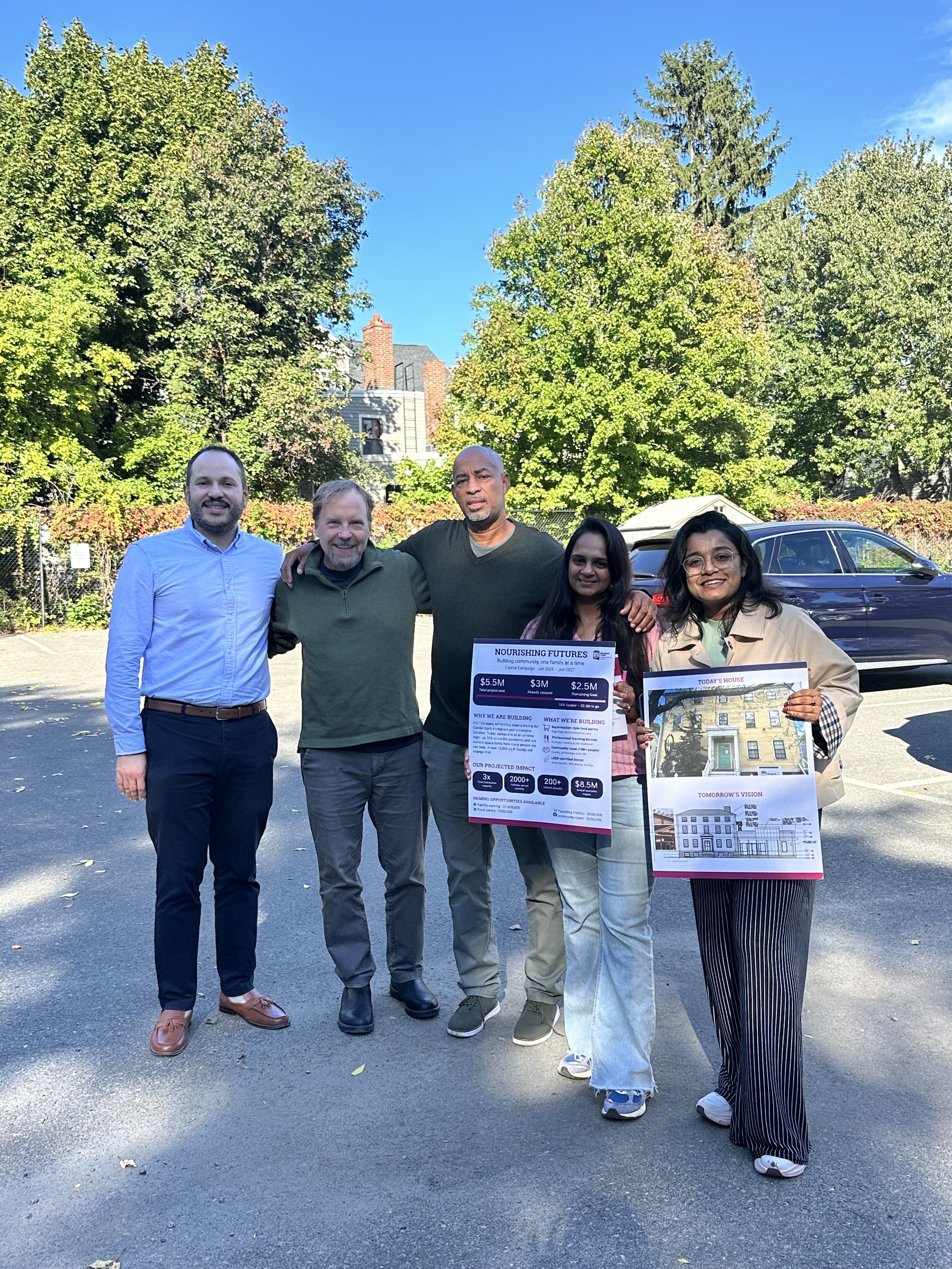
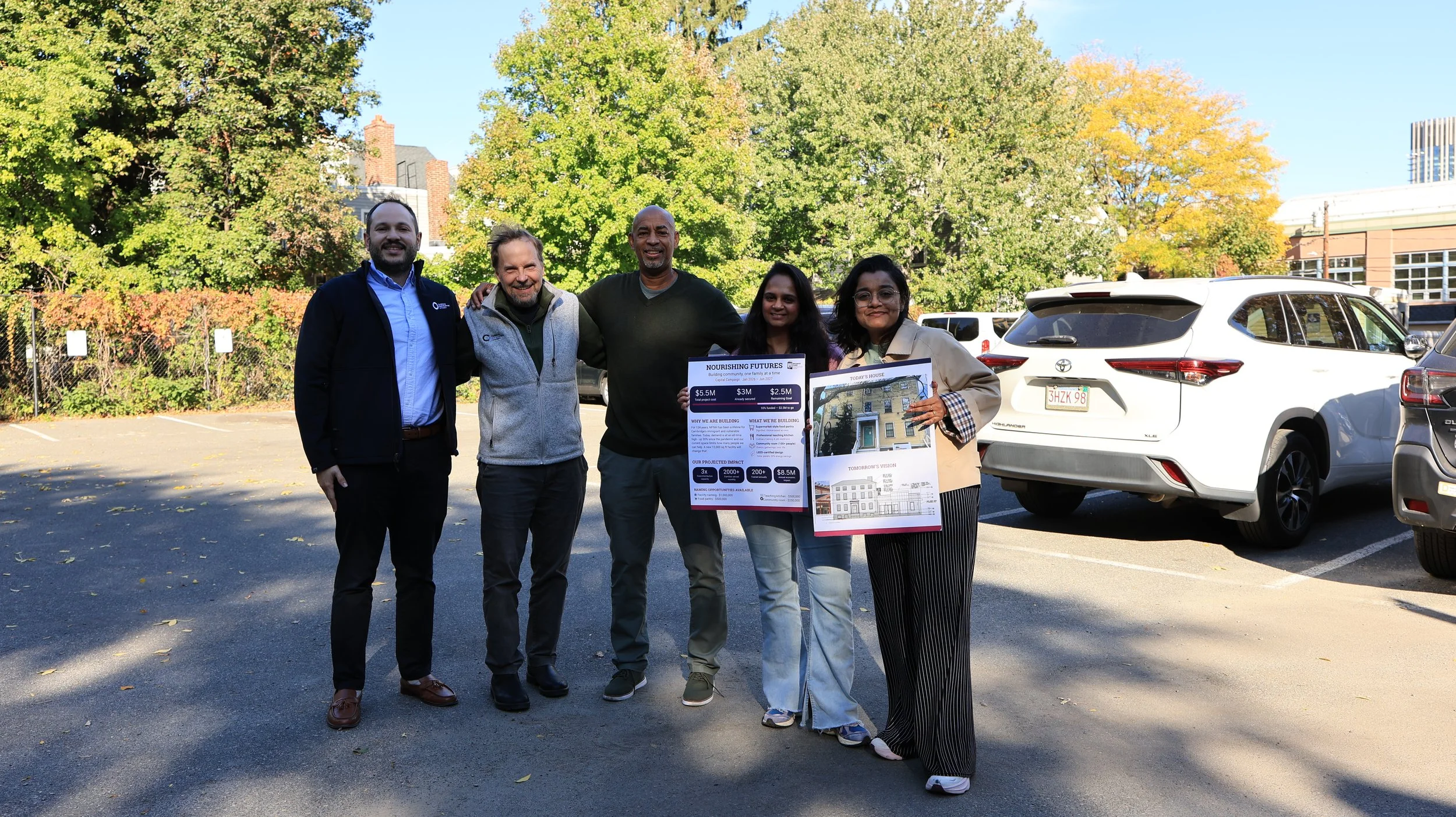
Since 2018, the CRA and the MFNH have been exploring options to develop a housing development on an approximately 9,000 square foot surface parking lot owned by MFNH. This project would provide revenue that would allow MFNH to make improvements to the interior of its historic house to better support its programs, and to construct a new social services facility to replace the basement-level structure that now sits adjacent to the house. In 2018, the CRA and the MFNH entered into a Cooperation Agreement in order to:
Supply affordable housing for the Cambridge community.
Apply the value of undeveloped land owned by MFNH (Parking Lot) to expand the organization’s capacity, and strengthen and grow programs.
Strengthen MFNH’s immediate and long-term financial position and improve its community-serving facilities.

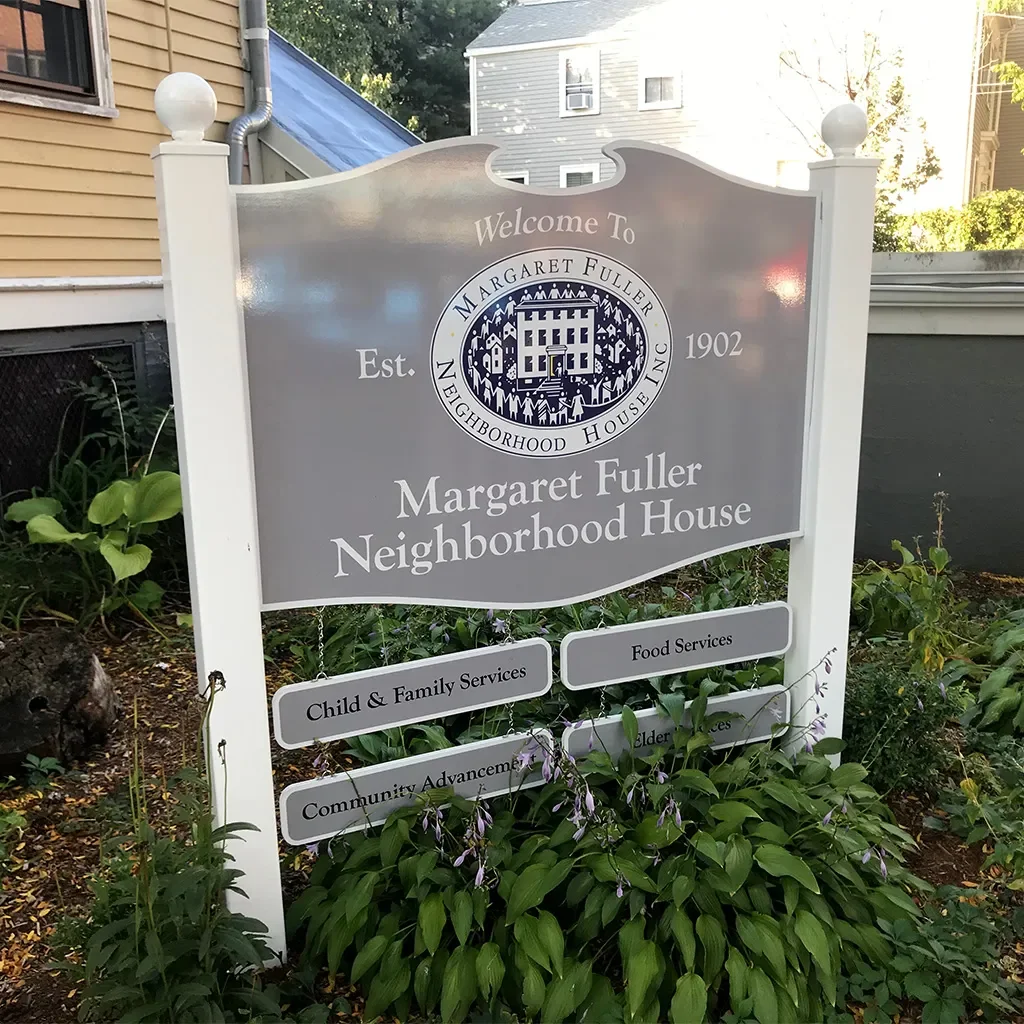
Margaret Fuller Neighborhood House on 71 Cherry Street.
In August 2019, Studio G was selected as the project architect. Studio G completed a project feasibility study in 2020 to determine the needed changes for the historic renovation.
During the pandemic, the CRA and MFNH agreed to pause the project to focus on pressing operational needs in the community while securing additional resources to fund the project. In 2023, the Parties restarted the project and re-engaged Studio G to consider a project that would include:
Construction of new mixed-income housing,
Renovations to the historic house,
Development of a new addition next door to the existing house to serve as a community facility.
-
Alex Cardelle, Project Manager, (617) 492-6800 ext 20, acardelle@cambridgeredevelopment.org
For more information about the programs that the Margaret Fuller Neighborhood House offers, please call them directly: Margaret Fuller Neighborhood House (617) 547-4680
In 2024, the CRA and MFNH signed a Memorandum of Understanding (MOU) that defined the scope of the project and formed a Working Committee to meet monthly and make decisions on the design and direction of the project. In early 2025, the Working Committee then conducted a Pantry Guest Survey to collect feedback on the guest experience at the existing pantry, while the CRA met with the community through a formal meeting to discuss initial concepts for the housing portion of the project. A Request for Information (RFI) process was conducted to solicit advice from the development community to better understand project management and expectations. Given this, the CRA and MFNH agreed to split the revitalization into two distinct projects: the historic house and community facility, to be conducted and owned by MFNH, and the CRA’s housing. This decision was made in order to maintain clear legal distinctions and easier phasing of the construction.
TIMELINE
Spring 2024
✦ Sign MOU With MFNH to Jointly Plan the Project
Summer 2024
✦ Re-Engage Architects and Consultants
Fall 2024
✦ Start of Schematic Design With a Working Committee
Winter 2024
✦ Conduct Pantry Space Needs and Historic Renovation Analysis
✦ Launch Community Newsletter
✦ Host First Housing Meeting
Spring 2025
✦ Launch Website Update
✦ Release Developer RFI✦ Incorporate Survey and Community Feedback Into Schematic Design
Summer 2025
✦ Finalize Schematic Design and Apply for MAAB Approvals
Fall 2025
✦ Enter Into a Purchase & Sale to Transfer MFNH's Lot B (Parking Lot) to the CRA
Winter 2025
✦ CRA Closes on Lot B (Parking Lot) to Complete Site Transfer
Spring 2026
✦ CRA to Assist MFNH in Selecting a Project Manager to Move Forward Their Revitalization Project
Summer 2026
✦ CRA Staff to Prepare Housing Concepts, Iterations, and Other Tools in Preparation for Community Engagement
Fall 2026
✦ MFNH to Submit Construction Drawings for Entitlement Approvals
✦ CRA to Host Community Meetings to Discuss Housing
Winter 2026
✦ MFNH to Begin Construction on Revitalization Project
2027
✦ CRA Housing Enters Pre-Development Phase
2028
✦ CRA Housing Begins Construction
This Project In the News

MFNH BACKGROUND

The only known photograph of Margaret Fuller, c 1846.
Home to Margaret Fuller until the age of 16, the three-story, Federal-style house at 71 Cherry Street was built in 1807. Fuller was born in 1810, and was considered a prodigy, reading Latin by age six. In 1845 she published Women in the 19th Century, which was extremely influential in the feminist movement of the 18th Century. (Source: https://www.nps.gov/nr/travel/pwwmh/ma59.htm)
In 1902, the home was reinvented as the Margaret Fuller Neighborhood House, becoming one of the first settlement houses in the United States, and serving the social needs of recent immigrant families in the Port neighborhood of Cambridge. This was at the height of the industrial revolution and Cambridge’s local factories were staffed mostly by recent immigrants. Their living conditions, in boarding and tenement houses, were often overcrowded and unhealthy. In keeping with the spirit of the Settlement House movement, MFNH was designed as an outpost of education and culture for these workers.
Today, MFNH serves as a central hub for the Port neighborhood and beyond. It offers adult enrichment programs, after-school programs, community outreach, a computer lab, a community library, and a food pantry.